ORCID
 Google Scholar
 GitHub
Long-term change & paleolimnology
Using lake sediments to reconstruct how climate and people have reshaped island and Mediterranean freshwater ecosystems over centuries to millennia.
MIGUEL G. MATIAS · MNCN–CSIC
Freshwater ecology, macroecology and paleolimnology. I combine lake-sediment records, large-scale models and replicated experiments to understand how freshwater biodiversity responds to environmental change — over centuries and across continents.
Científico Titular (Senior Researcher) · Museo Nacional de Ciencias Naturales, CSIC, Madrid
Explore the research ↘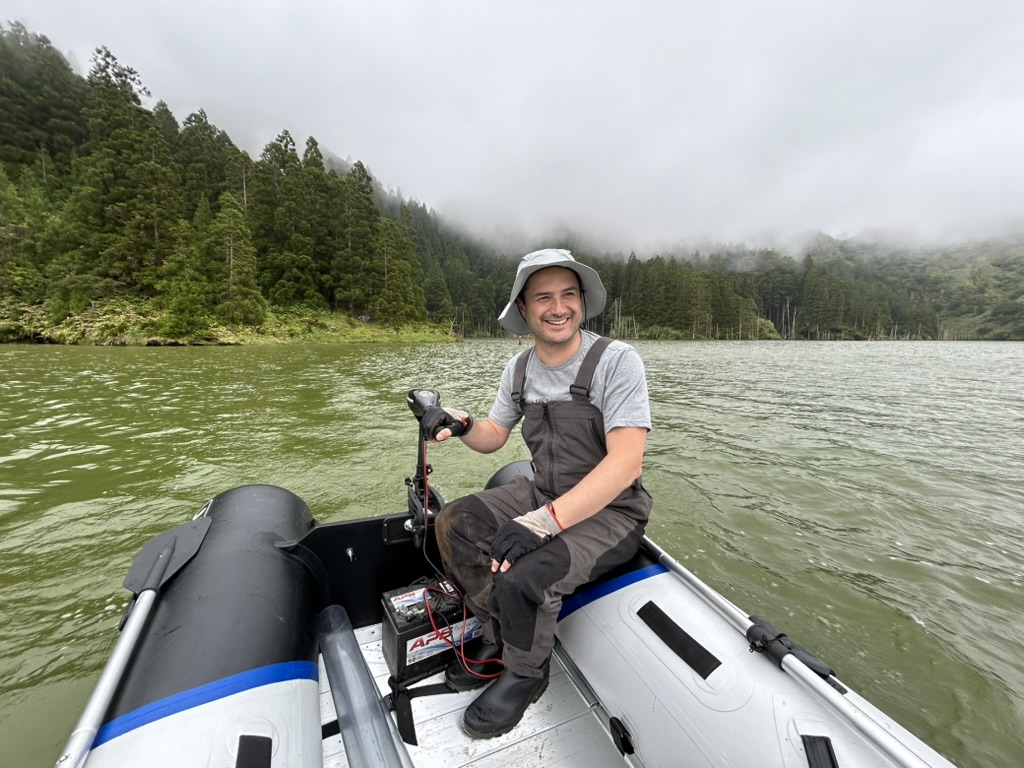
01 / RESEARCH
Using lake sediments to reconstruct how climate and people have reshaped island and Mediterranean freshwater ecosystems over centuries to millennia.
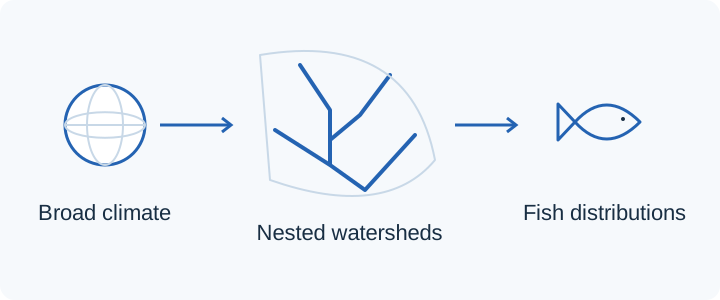
Modelling where aquatic species occur, and why, from river basins to continents — with hierarchical approaches built for the structure of freshwater networks.
Understanding how trophic structure responds to environmental gradients, using trait-based, eDNA and network approaches to predict food webs where they cannot be observed directly.
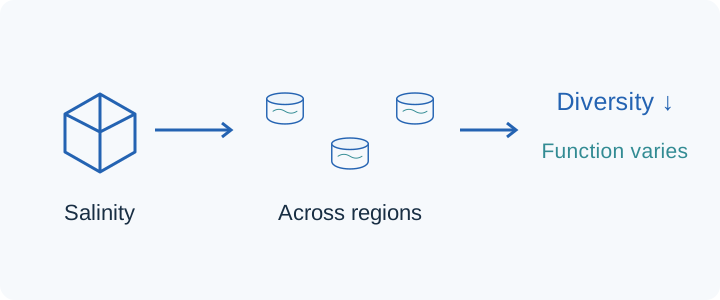
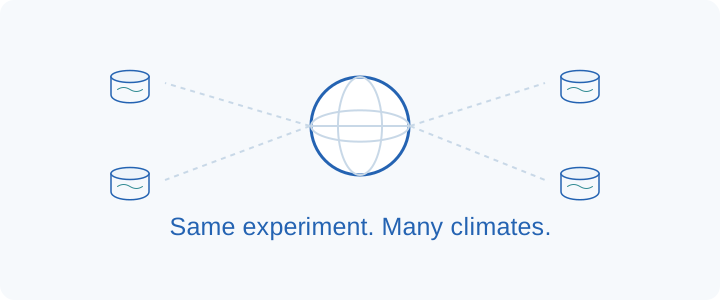
Scaling experiments up to the scales of biogeography: coordinated, replicated experiments across climatic regions to test macroecological predictions.
RESEARCH IN FOCUS / ISLAND LAKES
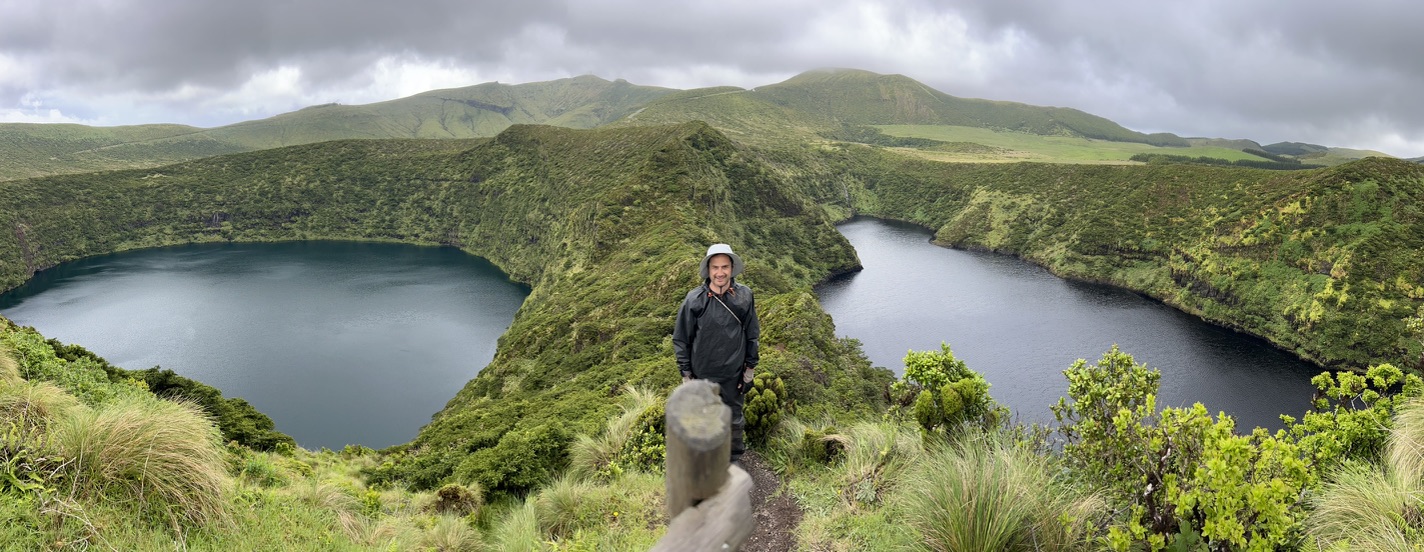
Reconstructing climatic and human impacts on Azorean lake ecosystems through lake-sediment records.
Read the research ↗Explore 10 graphical abstracts
From ORCID ↗ · Updated 2 November 2026
03 / ABOUT
Career, editorial work and CV.
LET’S CONNECT
Email: [TODO: Miguel — confirm address; DECISION: institutional CSIC address (recommended) vs miguelmatias@gmail.com]
Museo Nacional de Ciencias Naturales (CSIC)
C/ José Gutiérrez Abascal 2, 28006 Madrid, Spain
[TODO: Miguel — confirm the department/building line]
[TODO: Miguel — add Bluesky/LinkedIn if wanted]