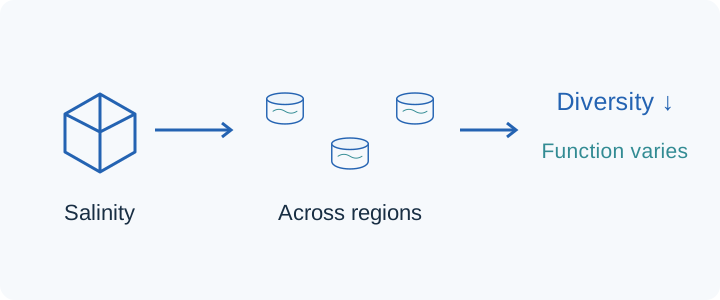
Salinity reduced bacterial diversity across three climatic regions, while whole-biofilm functional responses depended on regional context. Read the paper ↗
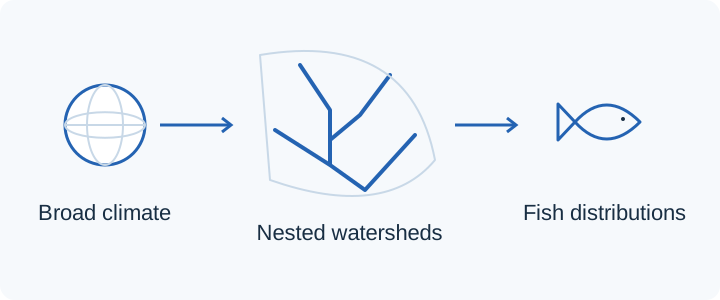
Hierarchical models combine broad climate with regional water conditions and watershed constraints to improve freshwater fish distribution modelling. Read the paper ↗
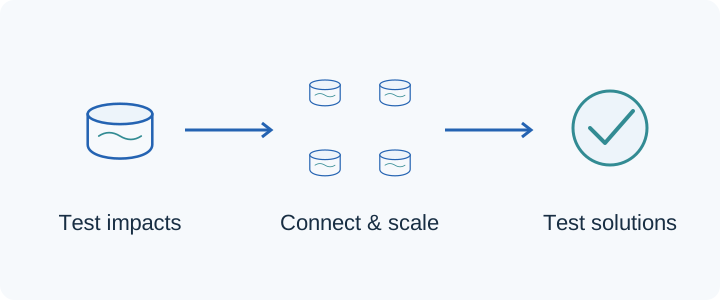
PondNet proposes a coordinated global pond experiment to test which climate-change responses generalise and which depend on local ecological context. Read the paper ↗
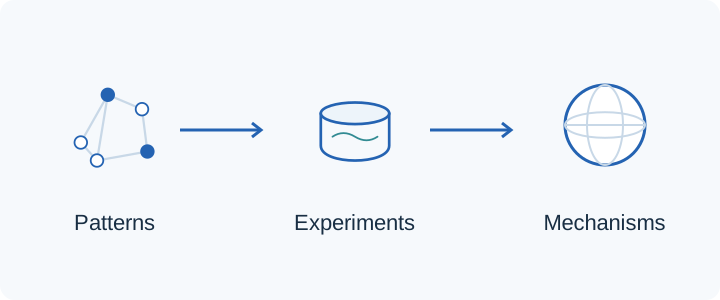
Experimental macroecology connects controlled tests and replication across contexts with large-scale ecological patterns and their underlying mechanisms. Read the paper ↗
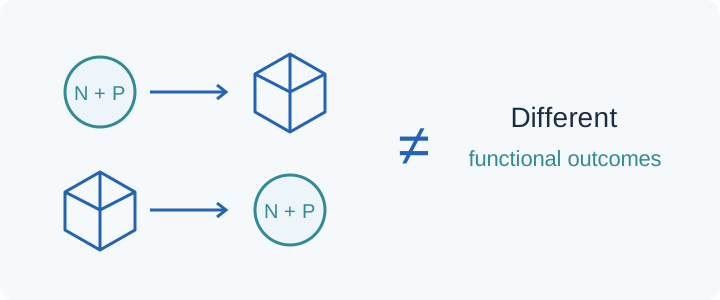
The sequence and repetition of nutrient and salt exposure changed freshwater biofilm function; reversing the stressor order produced different outcomes. Read the paper ↗
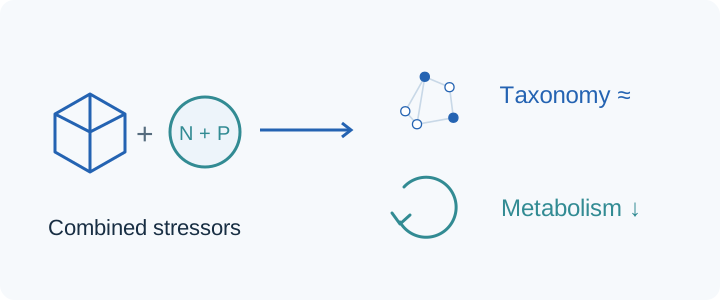
Combined salt and nutrient stress reduced microbial carbon metabolism without significant changes in the measured bacterial taxonomic structure. Read the paper ↗
Connected and distributed mesocosm studies can move beyond measuring environmental impacts to testing mitigation and restoration approaches. Read the paper ↗
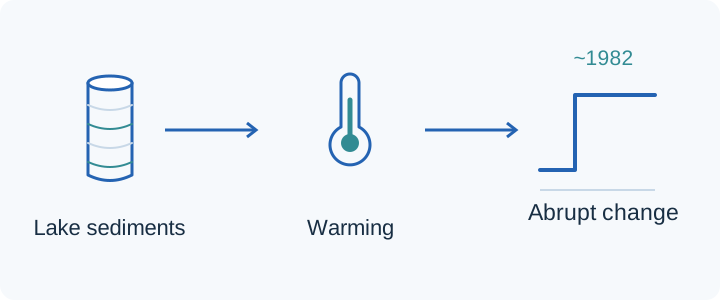
Diatom records from five São Miguel lakes revealed a regional community shift around 1982 and a loss of regional diversity associated with warming. Read the paper ↗
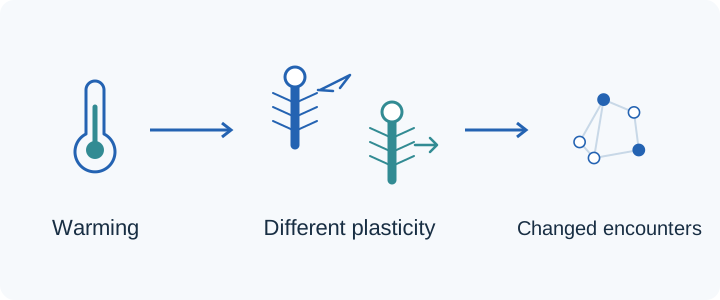
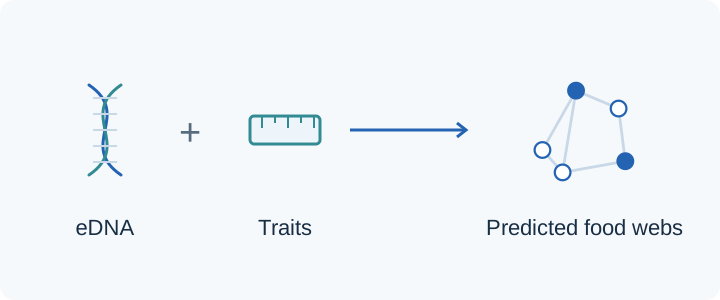
Coupling eDNA records with appropriately sampled traits and known interactions enables trait-based prediction of food webs across space and time. Read the paper ↗